
From Kites to 20K: The Craft Behind Poppr’s Immersive Photography
From kite-borne cameras to open-door helicopters and underwater work, Poppr’s founders have spent two decades turning difficult viewpoints into carefully finished immersive experiences — including 20K panoramas.
The craft behind every viewpoint
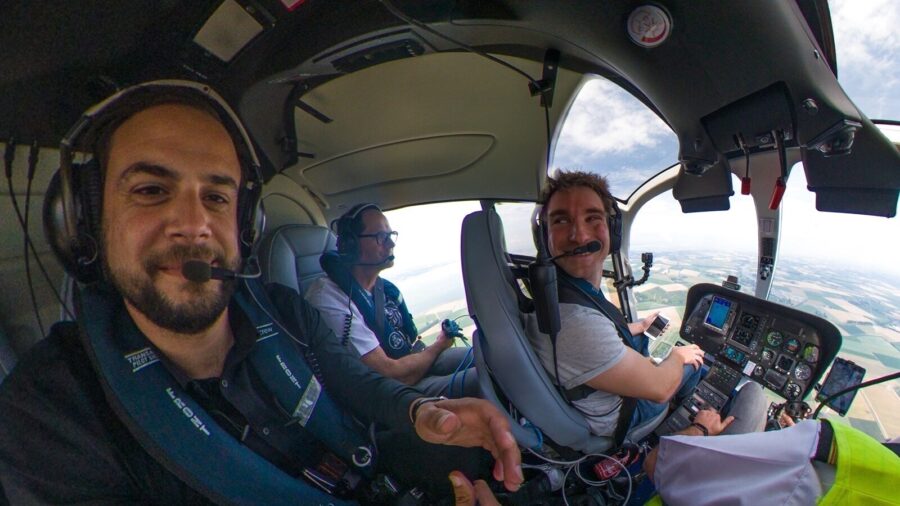
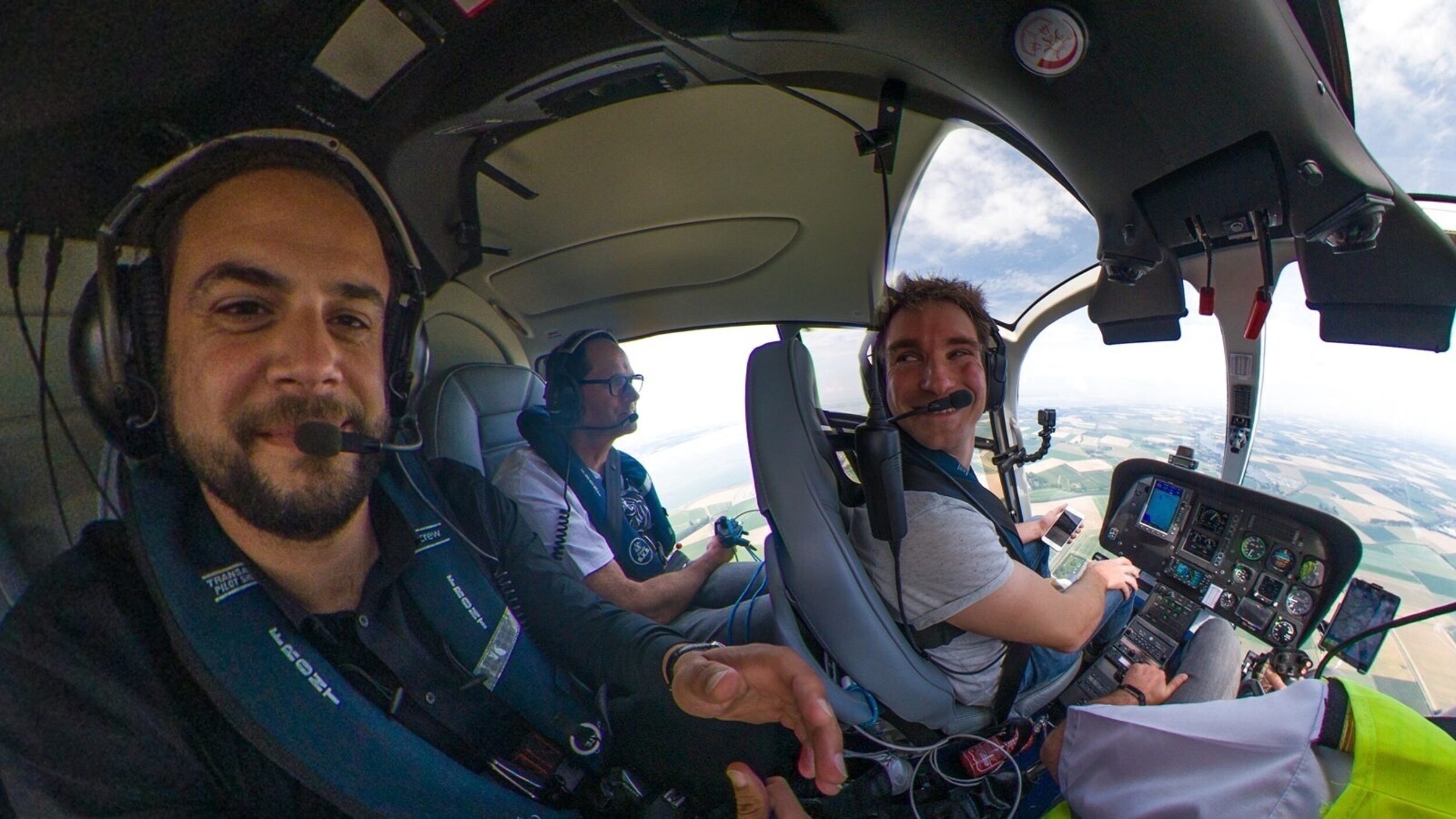
High above the Port of Ghent, there is nowhere to put down a tripod.
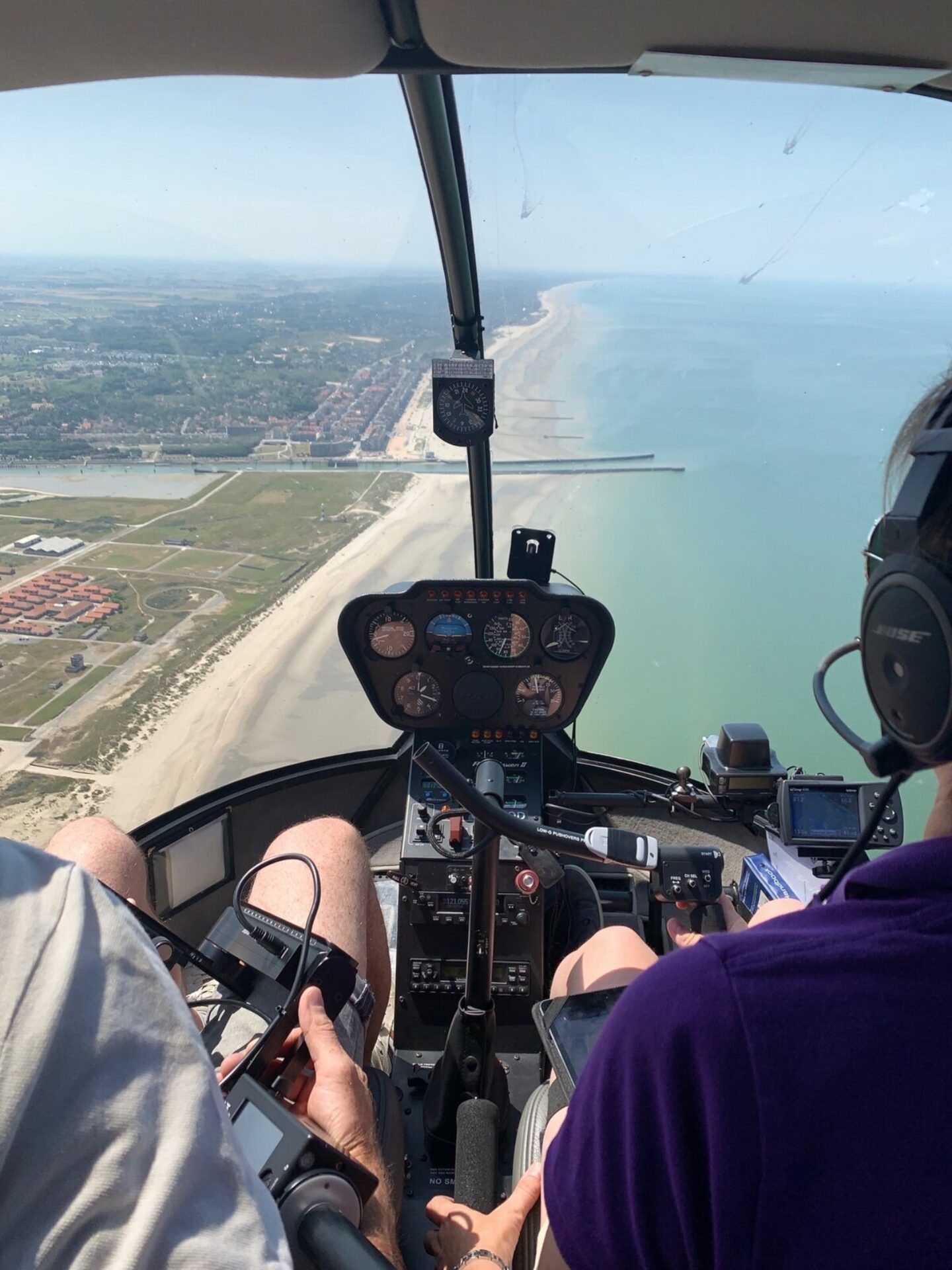
The helicopter door is open. Air rushes through the cabin. An Insta360 Titan, attached to an extended tripod, is lowered from the opening. The Port of Ghent stretches for more than 32 kilometres below. The operation has been planned; now the team has to turn a moving aircraft into a convincing 360° point of view.
The usable capture window may last only minutes. Building the final experience takes much longer.
What a visitor eventually sees is effortless: an industrial landscape unfolding in every direction, coherent enough to explore and natural enough to forget about the technology. What they do not see is the planning, aviation coordination, camera operation, post-production, sound, testing and interactive delivery behind that sequence.
The hard part is not capturing everything around you. It is deciding what deserves to be seen — and building the safest, sharpest and most convincing way to capture it.
Before a 360° camera could do it for you
Yvan Van Hoorickx began in aerial photography with kites. He and fellow Poppr founder Steven Stumpf connected through aerial photography in 2006, with 360° photography entering their shared story in 2007 — years before compact drones and one-shot cameras made immersive capture widely accessible.
Back then, reaching a new point of view often meant inventing the way to get there. Early proposals and experiments ranged from kites and helium-balloon concepts to tall masts and other aerial rigs. Hardware was adapted or built because the exact tool the shot required did not yet exist.
When Poppr was founded in 2013, that experimental knowledge began turning into a company-wide production discipline: documented capture choices, calibrated equipment, specialist post-production and digital delivery designed as one workflow.
The rigs were experimental. The reasoning was not: choose the viewpoint first, then build or select the safest tool that can reach it.
That principle still guides every Poppr production. Depending on the location, the right solution may be a conventional tripod, an elevated mast, a drone, a helicopter, a boat or a carefully planned underwater setup. The equipment changes. The question does not:
Where should a person stand to understand this place?
What began as one-off engineering became a repeatable way to solve unfamiliar capture problems — with calibrated equipment, defined capture choices, specialist post-production and consistent delivery.
A panorama is built, not snapped
A one-shot camera is designed to photograph every direction at once. That can be useful when speed or documentation is the priority. For premium destination, hospitality, cultural and brand work, however, Poppr often needs something else: control.
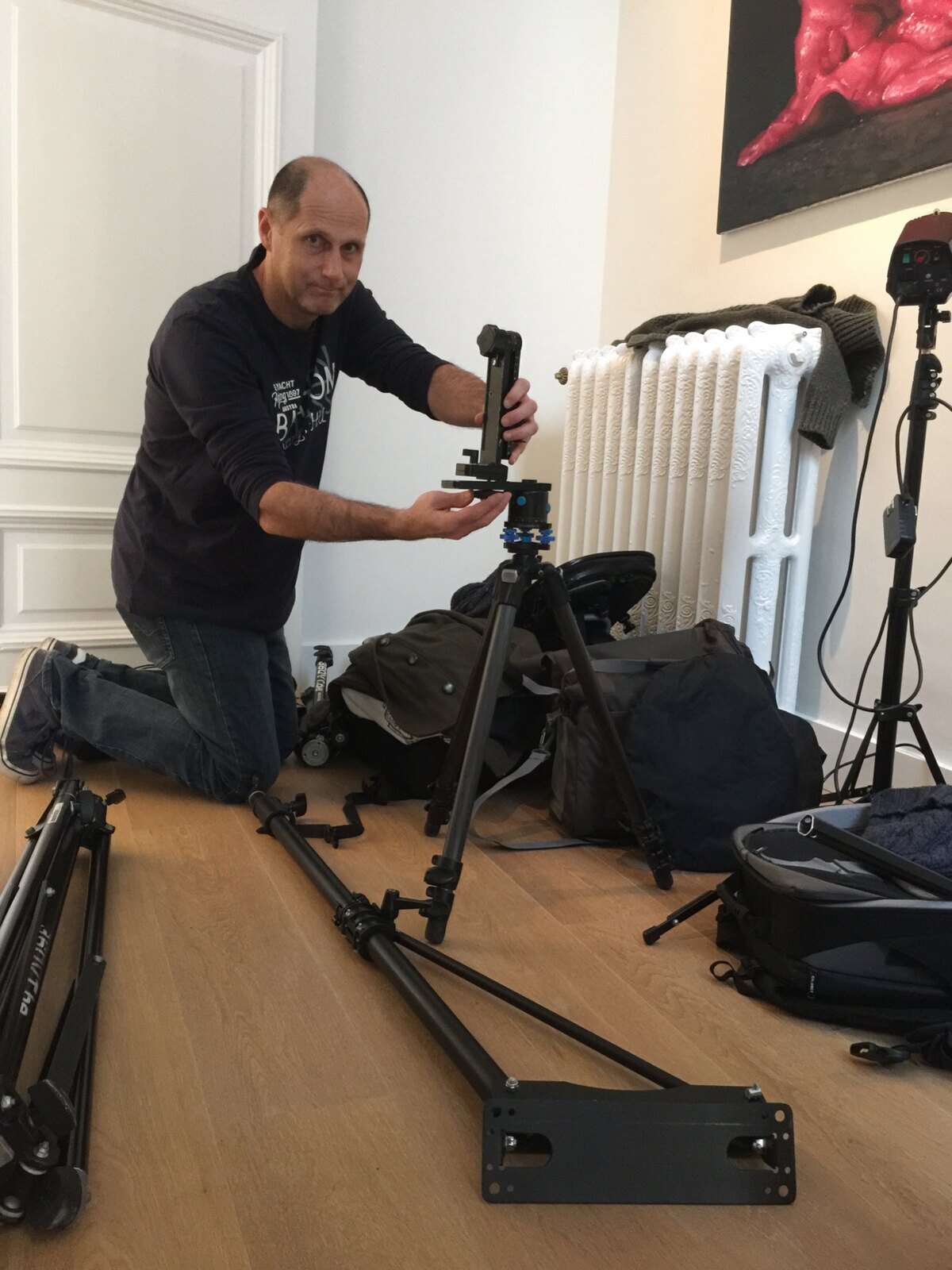
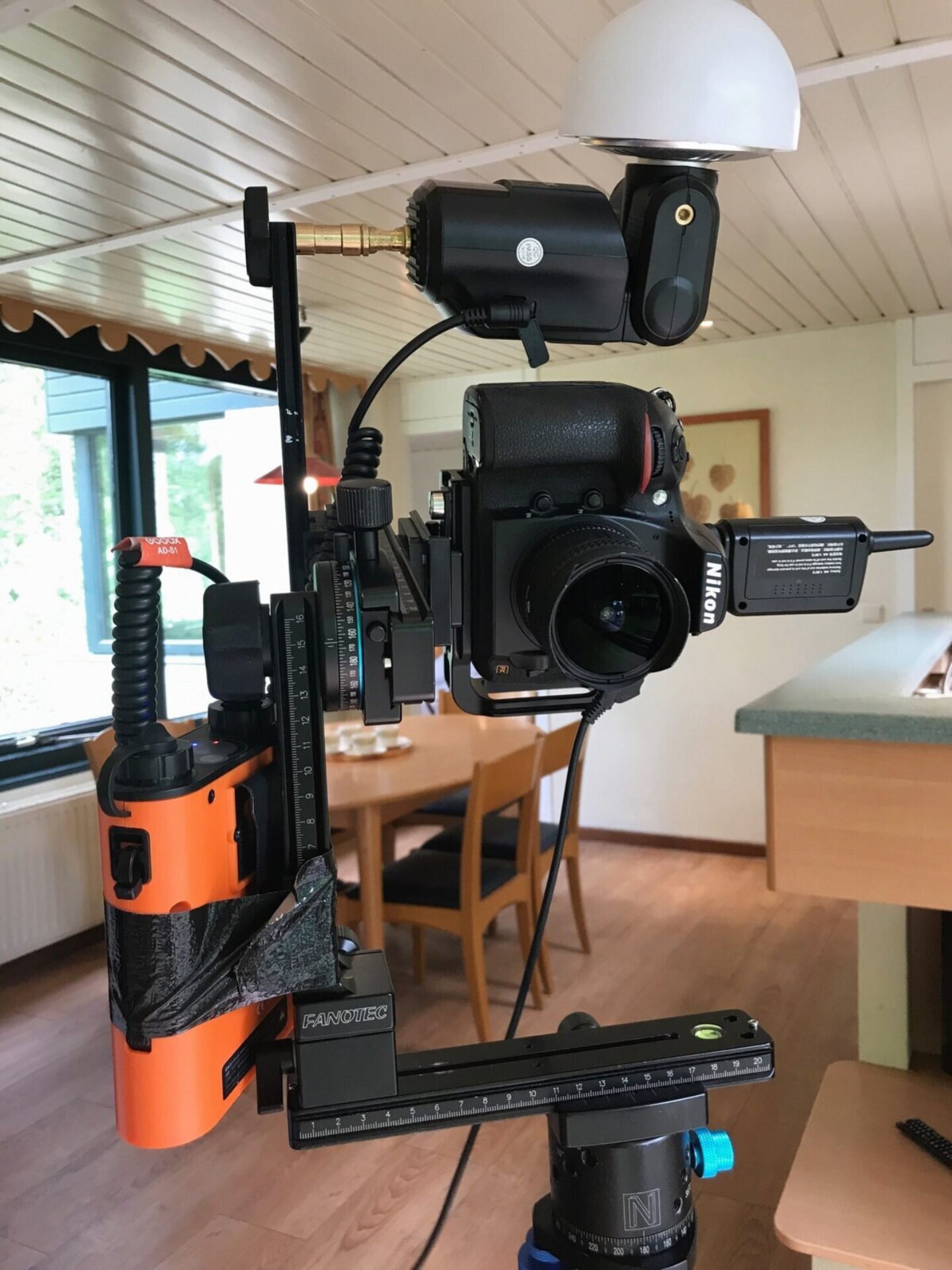
Our high-resolution panorama workflow uses professional interchangeable-lens cameras. The Nikon D850 is one documented workhorse, paired with a calibrated panoramic head adjusted to the lens’s no-parallax point. Instead of pressing one button, the photographer builds the scene direction by direction.
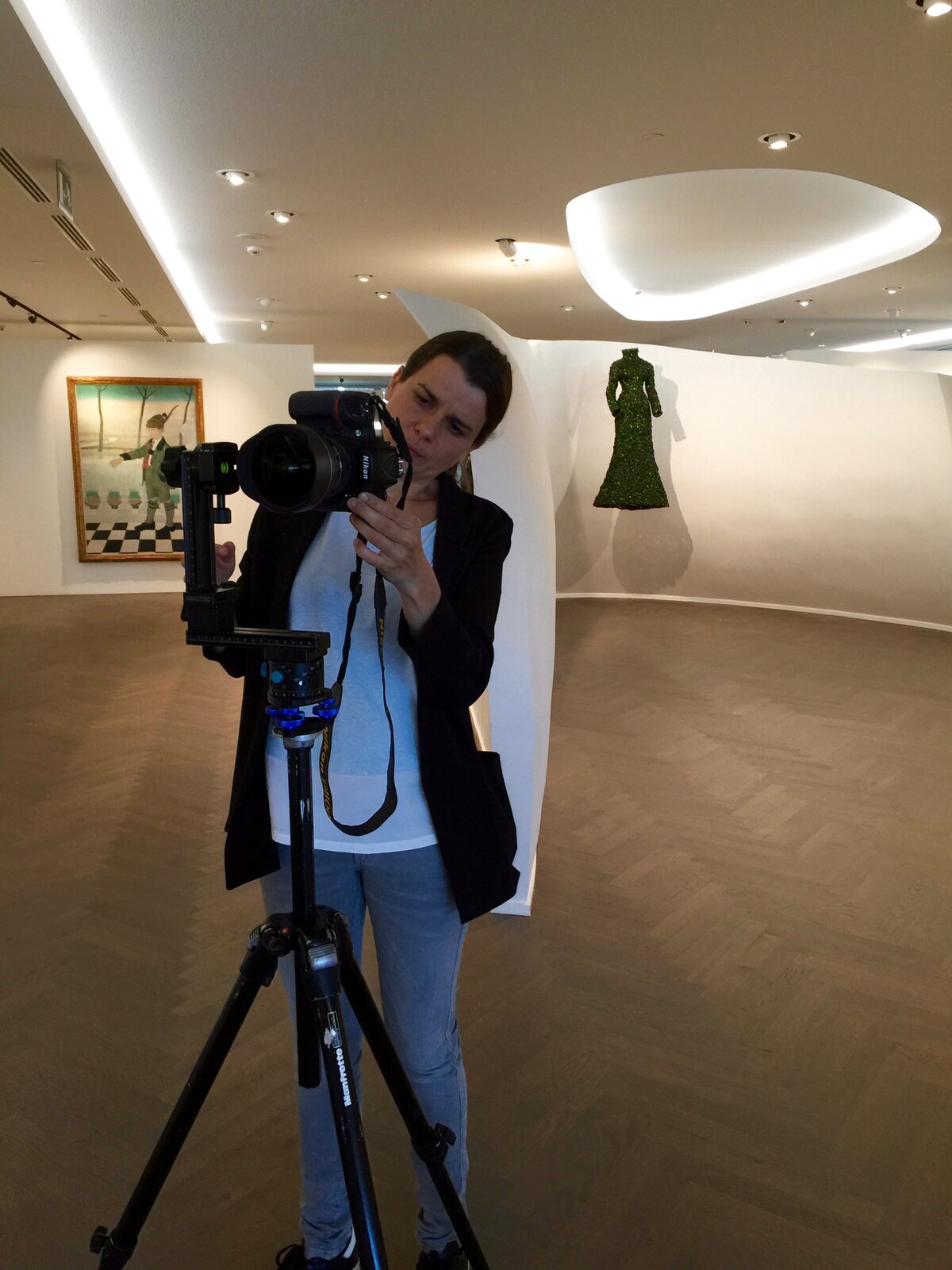
The exact number of source photographs depends on the camera, lens, scene, exposure plan and floor coverage. The constant is not a magic number. It is deliberate control over every direction.
Why capture the scene direction by direction?
Because a real place rarely resolves itself into one perfect click. A window may hold bright daylight while the room behind the camera falls into deep shadow. Water moves. Leaves shift. Guests walk through the frame. A model who is beautifully positioned in one direction may need to move before the camera turns to the next.
By working section by section, we can:
- direct people and action instead of merely recording them;
- set exposure deliberately and keep it consistent across adjoining frames;
- wait for the right movement, expression or gap in a crowd;
- control focus, colour and noise at source;
- create cleaner joins between adjoining frames;
- capture enough resolution for deep zoom and high-quality crops.
The source frames are then stitched into one seamless equirectangular panorama. Retouchers inspect joins, moving objects, reflections, horizons and the area underneath the camera. They balance light, refine colour and remove distractions without making the space feel artificial.
The craft is not in hiding reality. It is in making the experience feel as coherent as being there.
Across the Center Parcs programme, the same stitching, retouching and colour-control sequence was applied viewpoint by viewpoint. Individual craft became a scalable production standard.
What does 20K actually mean?
A standard Poppr high-resolution master can measure approximately 20,000 pixels wide by 10,000 pixels high: 200 megapixels wrapped around a complete sphere.
Poppr production records document masters of about 19,700 × 9,850 pixels — effectively 20K — as far back as 2015. The cameras and interfaces have evolved since then, but those large, carefully finished masters have given the underlying photography room to age well.
That number is not there to win a specification contest. It creates practical freedom. A visitor can zoom into architectural, natural or interior detail. A designer can extract conventional stills from the same master. A campaign can reuse the image across web, presentations and selected print applications. And a tour can be redesigned years later without discovering that its core photography has already aged out.
For web delivery, the full-resolution master is typically processed into multiple resolutions and image tiles, so the experience only loads the detail the viewer needs. High source quality and fast delivery are not opposites; the delivery system connects them.
Experience Virtual Bruges in 20K
Why we do not simply capture everything at once
One-shot cameras and structured scanning platforms such as Matterport can be exactly right when speed and spatial documentation are the priority. Poppr’s controlled multi-shot workflow is chosen for a different brief: when the image itself has to carry the brand.
In hospitality, light, views and atmosphere influence whether someone wants to stay. In tourism and culture, the image has to convey emotion and fine detail, not merely geometry. With models, direction-by-direction capture also lets the team choreograph what happens throughout the scene.
This is not a question of declaring one technology universally better. It is a production decision. When speed and documentation lead, a scanning workflow may be ideal. When art direction, image quality, longevity and custom interaction lead, Poppr builds the panorama frame by frame.
Learn more about Poppr’s high-resolution 360° photography.
Choose the viewpoint, then choose the machine
There is no single “aerial solution”. The right method depends on the desired height, local airspace, permissions, weather, timing, safety, movement and the size of the area being captured.
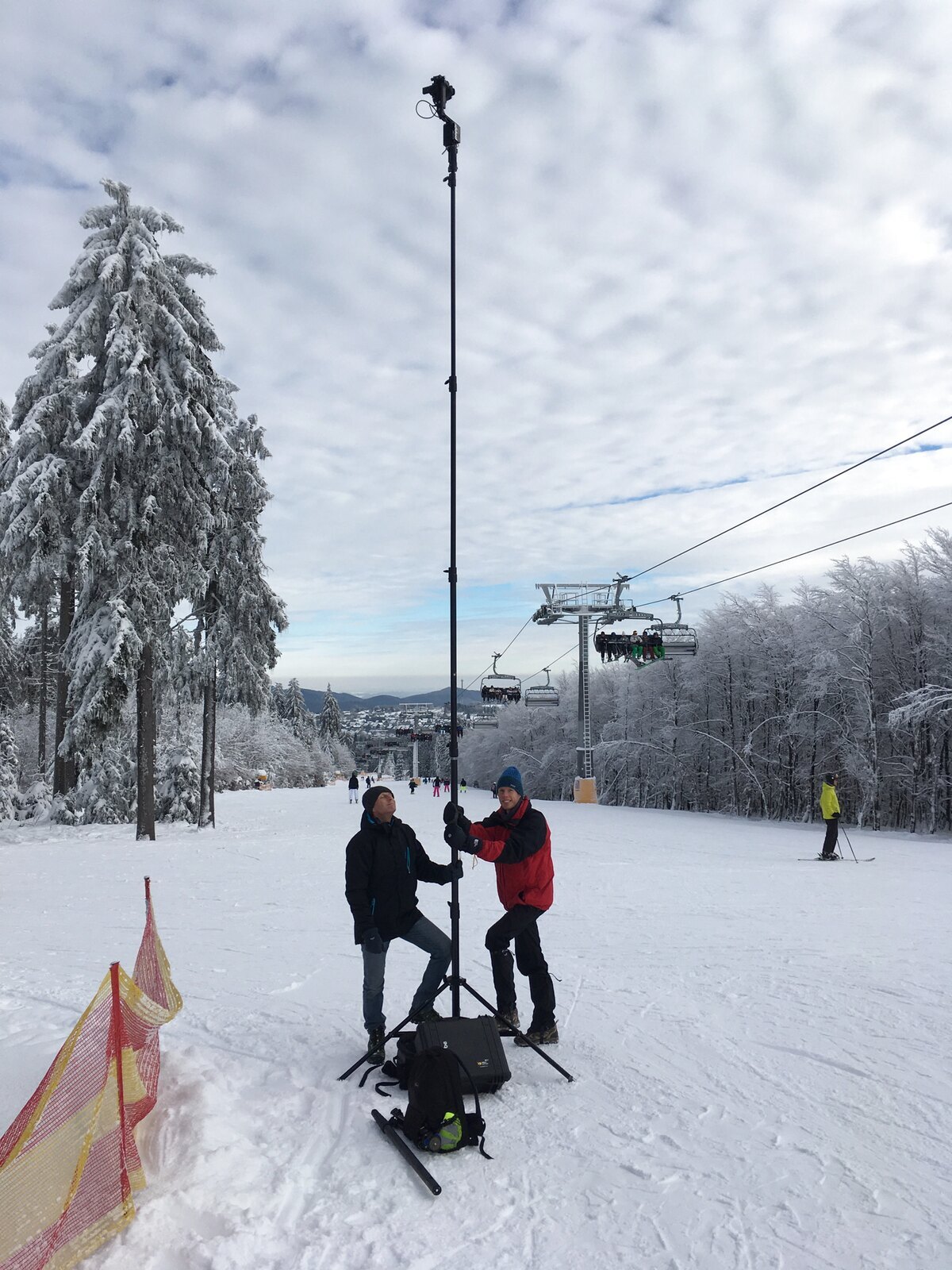
High mast
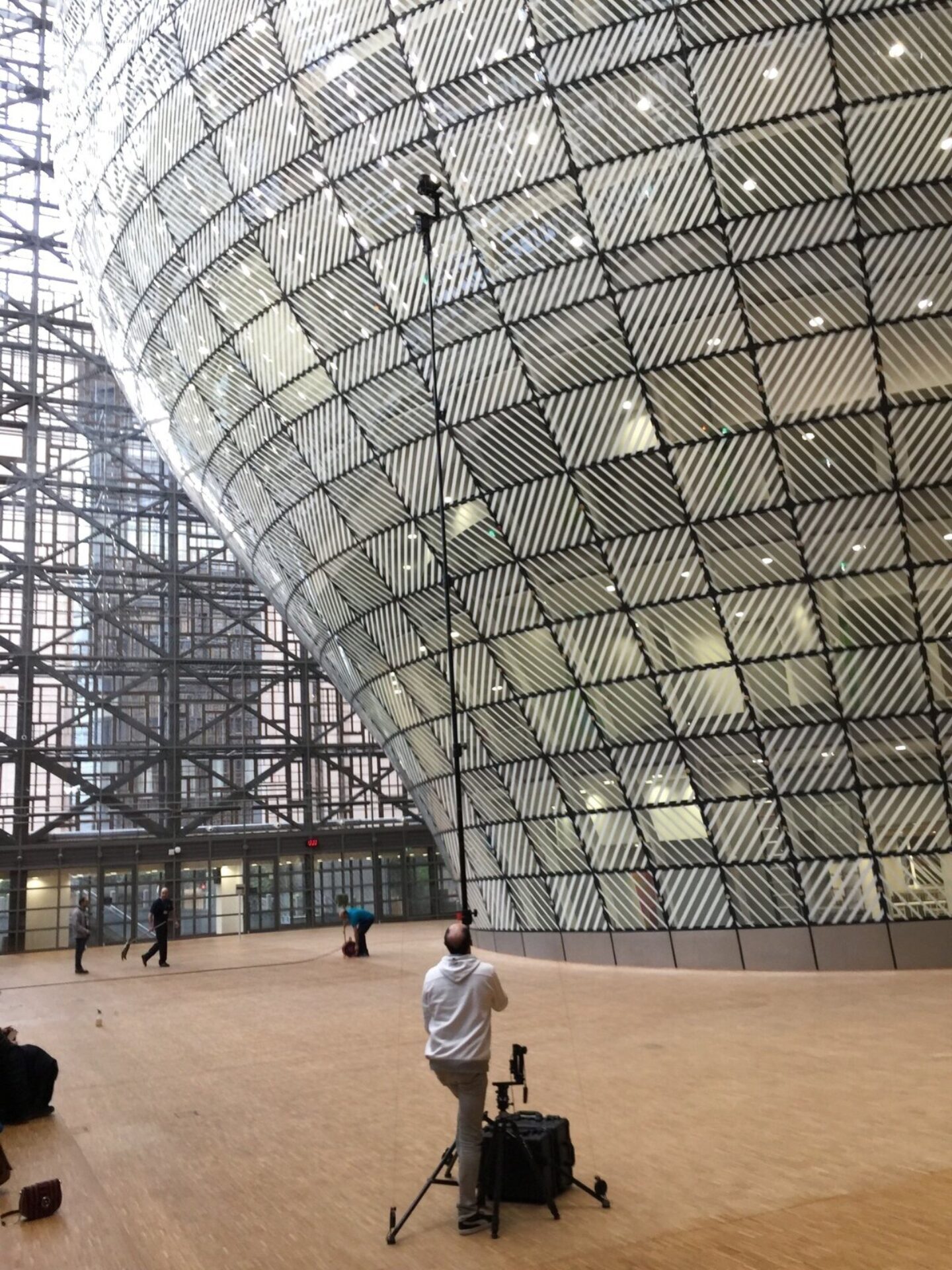
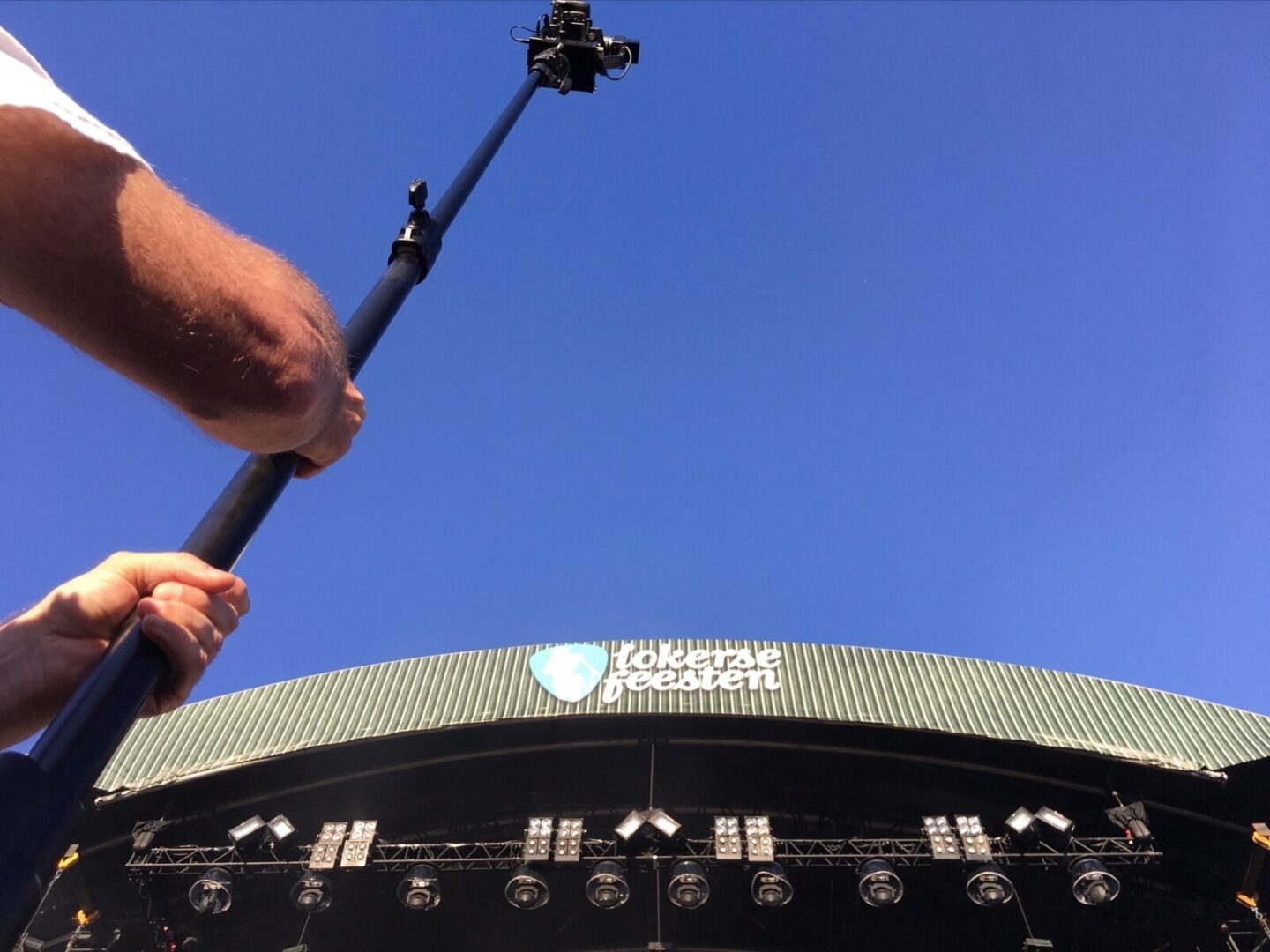
A mast offers a precise, repeatable viewpoint when a drone flight is not practical or permitted. Poppr has used systems engineered for up to twenty metres, with the safe working height determined by camera weight, wind and available space.
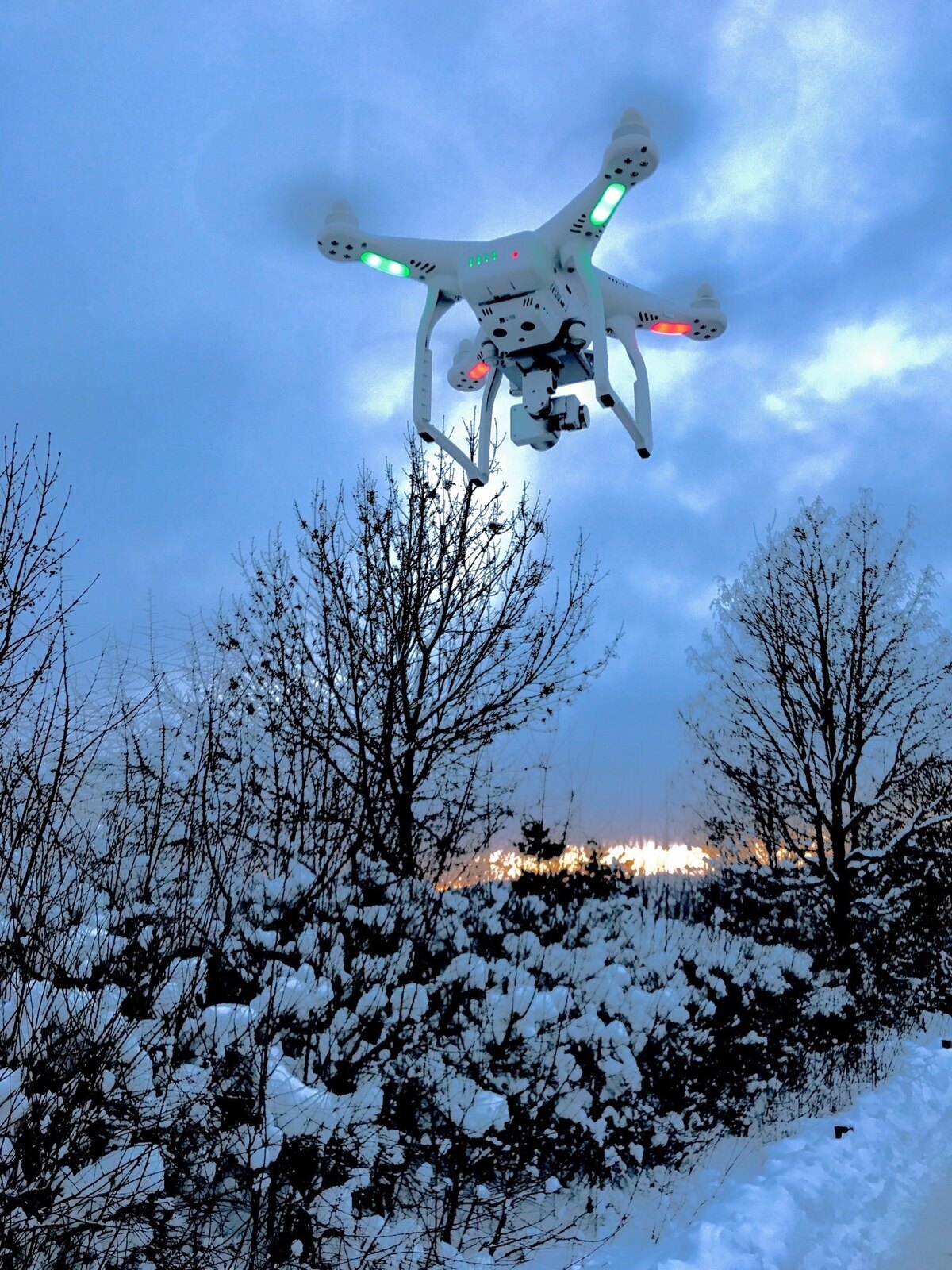
Drone
Drones offer flexible aerial viewpoints when airspace, authorisation, weather and ground safety align. The resulting frames still pass through Poppr’s controlled stitching, colour and retouching workflow.
Helicopter
For a broad urban area or a specific operational window, a helicopter can cover distance quickly — with appropriate planning, permissions, pilot and weather. For Virtual Bruges, Poppr combined helicopter imagery, drones and telescopic masts, choosing a platform around each viewpoint instead of forcing one method onto the whole city.
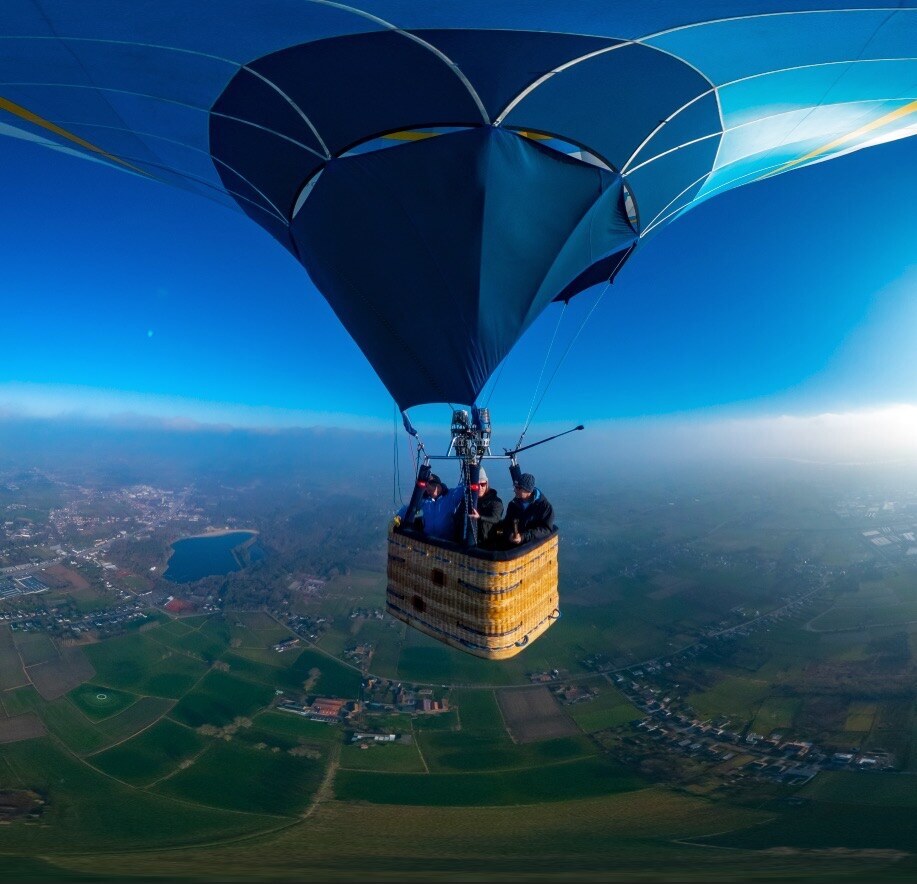
Balloon and kite
Before today’s drone ecosystem, Yvan used kites for aerial photography; Poppr later combined a hot-air balloon and helicopter capture for a Sint-Niklaas city project. The desired viewpoint leads; the machine follows.
Below the surface
Sometimes the only correct viewpoint is underwater.
Poppr’s Center Parcs programme has taken photographers underwater. For selected aquatic scenes, project documentation records a custom-made housing, underwater lighting and a two-person capture setup for a professional-camera workflow.
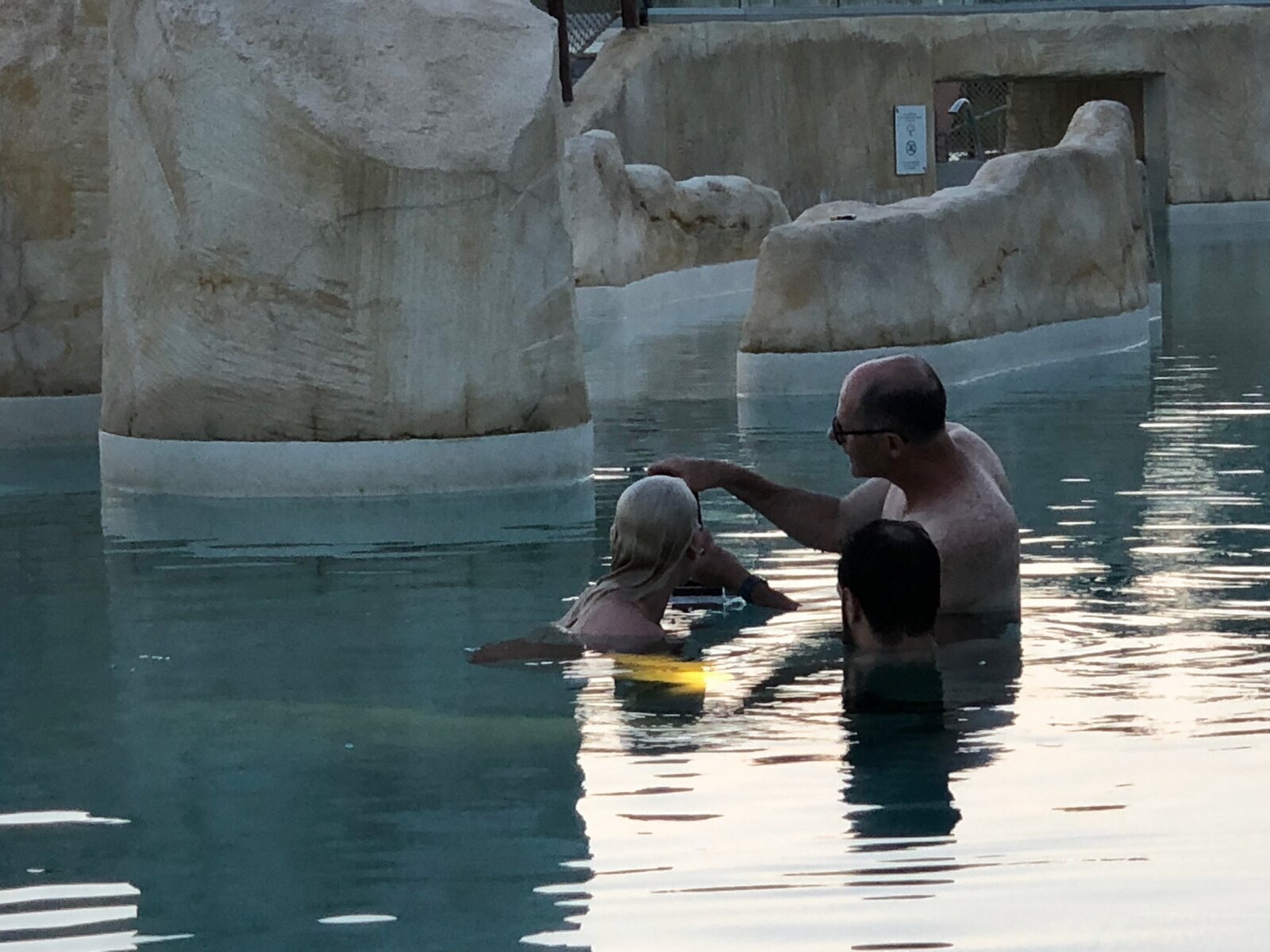
The housing was only one part of the production. Refraction and distortion alter the image; water, bubbles and moving swimmers make clean joins harder. What is already precise work on land becomes a combination of engineering, choreography and intensive post-production below the surface.
The result is not technology for technology’s sake. It allows a prospective guest to experience a pool or aquatic world from a point of view conventional hotel photography cannot offer — from inside the water itself.
360° video before it became easy
In 2015, Poppr was already testing six-GoPro rigs. Six cameras, six sets of settings and one strict capture routine had to behave as a single viewpoint before post-production could even begin. Every moving frame introduced seams, parallax and exposure differences that could require calibration, masking and repair.
Capture was only half the job. In 2015 and 2016, reliable 360° video also meant solving metadata, browser differences, adaptive streaming and mobile playback. That early work built knowledge that still matters: where to place a viewer, how movement feels without a traditional frame and how to direct attention inside a sphere.
The cameras are easier now. Spatial direction is not. Working with its team and specialist partners, Poppr can coordinate conventional photography, film, aerial footage and immersive video as one production, with a common visual language and a clear role for every asset.
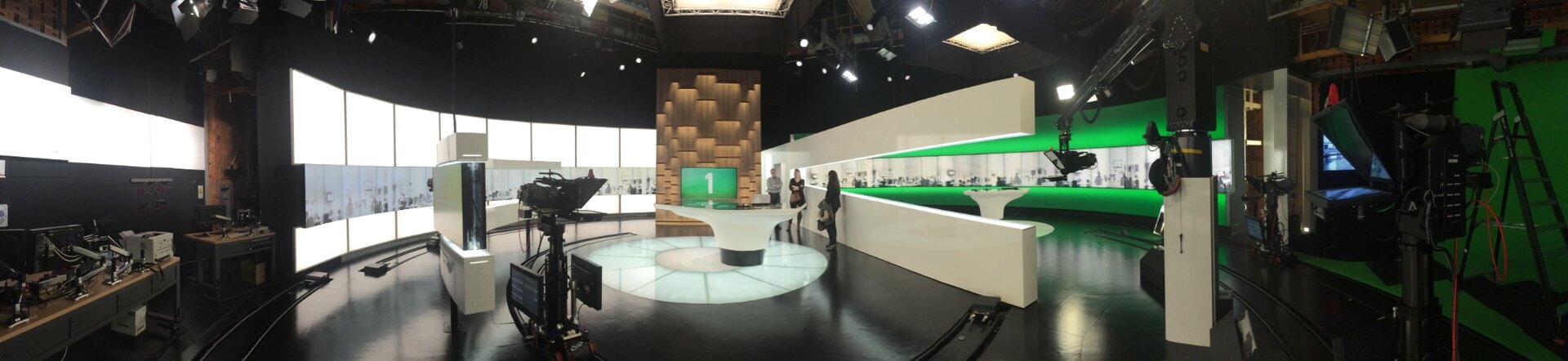
Big masters, disciplined handling
High-resolution production creates a substantial source archive. The original Virtual Mechelen production was reported at 604 GB across 38 locations. Those figures describe production material, not one visitor download: progressive delivery lets the browser request only the section and level of detail a visitor is viewing.
Large files are not a badge of honour. They are an operational responsibility.
At that scale, methodical card, drive and backup handling is essential. A robust workflow separates source material, masters, web derivatives and project files so the work can be checked, updated and repurposed later. Quality control covers not only the visible stitch but also naming, exports, colour consistency and delivery.
The spectacular capture earns attention. Repeatable file handling is what keeps the work usable years later.
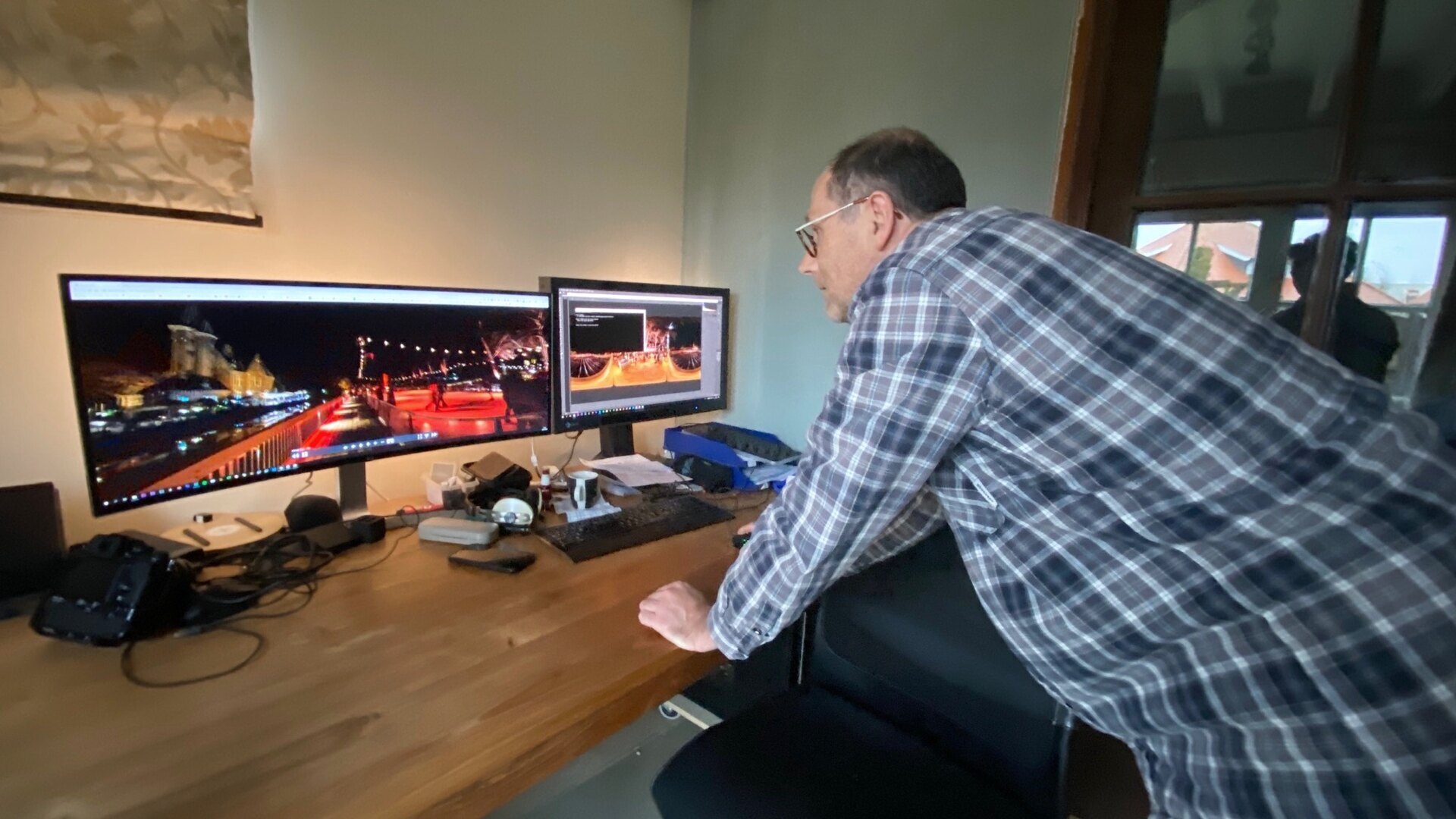
One capture, many useful assets
An immersive shoot should not end with a single embedded tour.
A high-resolution panorama can become an interactive viewpoint, a VR scene, a zoomable detail experience and a source for conventional crops. When planned and licensed from the start, a coordinated production can also generate campaign photography, social formats, aerial footage, short film sequences and supporting behind-the-scenes material while the location, crew, styling and light are already in place.
That makes the capture more valuable in two directions.
First, it works across channels today. The immersive experience can support a website, booking journey, visitor centre, sales presentation, event or headset installation. Selected images can support campaigns and print.
Second, it remains useful tomorrow. Virtual Mechelen, for example, could be redesigned around existing high-quality panoramas from an earlier phase of the collaboration. The interface evolved; the core imagery was still strong enough to move forward with it.
That is the quiet advantage of capturing more quality than a device screen appears to need today: the asset can outlive the interface around it.
One production standard, very different places
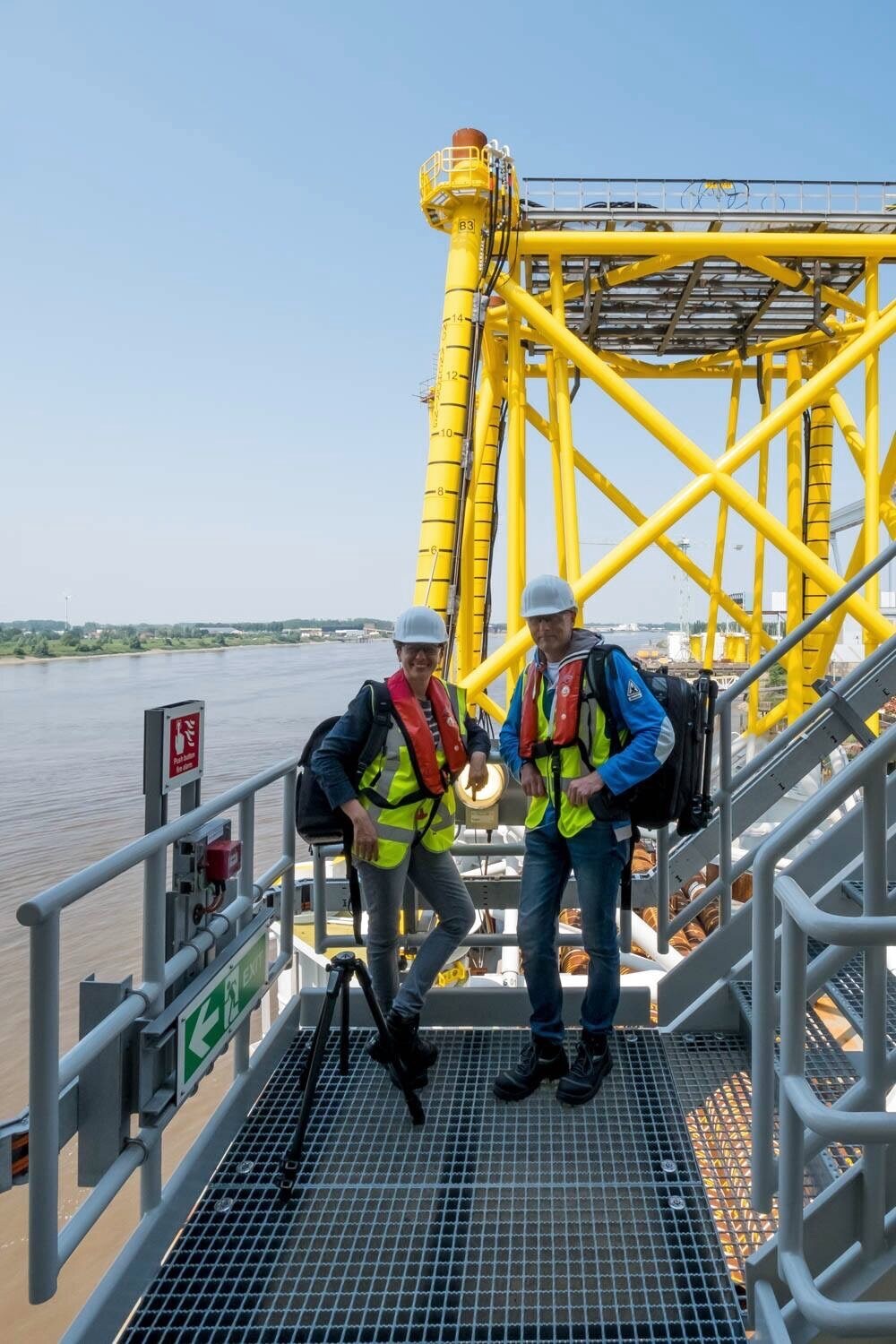
The same production discipline has to travel — from resorts and cultural spaces to studios, cities and operational industrial sites.
Avoriaz: a panorama recognised as photography
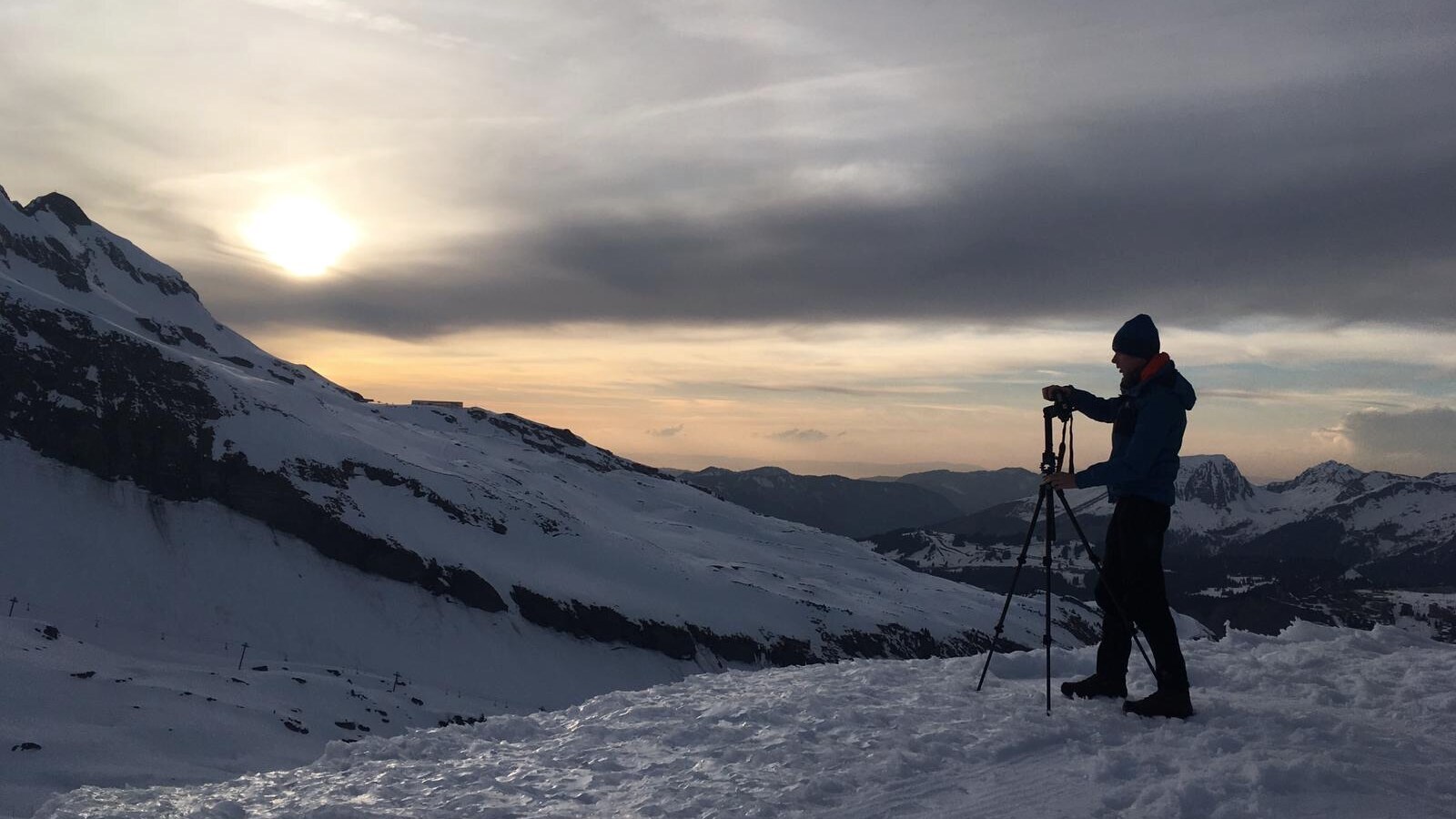
For Avoriaz, Poppr co-founder Yvan Van Hoorickx created an aerial 360° panorama that placed second in the 2023 Epson International Pano Awards’ VR/360 category. The virtual-visit website, credited by Awwwards to Poppr and Akaru, received an Awwwards Honorable Mention in 2020.
That combination matters. The panorama was not only a technically correct sphere; it stood on its own as an image, while the surrounding experience worked as design and digital storytelling.
The Royal Palace: precision under difficult light
A palace interior can combine daylight through tall windows, reflective surfaces, deep shadows, fine artwork and architectural detail in a single viewpoint. It is exactly the kind of scene where controlled exposure and careful colour work earn their place.
In 2020, the Belgian Monarchy commissioned Poppr to present eleven palace areas through seventeen high-resolution 360° views. The client is king. In this case, the address made the phrase literal: see Poppr’s Royal Palace case and the official live tour.
Cities built to explore
Virtual Bruges and Virtual Mechelen are connected, navigable city experiences rather than collections of isolated panoramas. Their photography has to be beautiful and systematic enough to support a coherent interface, new locations and long-term use.
Consistency at resort scale
For Center Parcs, Poppr created an immersive virtual-tour programme spanning 28 holiday parks. Each photographed accommodation type, facility and environment brought its own light and logistics, while the collection still needed one consistent feel. The premium panoramas were stitched, retouched and colour-corrected by hand.
The technology became easier. Our standard became higher.
In 2006, Steven and Yvan connected through aerial photography; by 2007, 360° imagery had entered their shared story. Today, a phone or consumer 360° camera can produce a sphere in seconds. That accessibility is good for the medium.
But a camera that sees in every direction does not decide what matters in any direction.
Viewpoint, timing, direction, finish and delivery: those decisions are the work.
Since 2006, that experimentation has become Poppr’s production discipline: choose the viewpoint with purpose, capture it with control, protect every detail and build the result to remain useful long after launch.
Because the most convincing virtual visit never feels like a technology demonstration.
It feels like being there.
What should people be able to see, understand or feel before they arrive?
Bring us the location and the decision your audience needs to make. We’ll recommend the right mix of panoramic photography, film, aerial capture and interactive delivery.
For agencies and audiovisual teams: add Poppr’s specialist 360° capture and interactive delivery to your next production.
Talk to us about a production partnership
Frequently asked questions
How is a high-resolution 360° panorama made?
A photographer captures overlapping source images in every direction from a calibrated panoramic head, using an exposure plan suited to the scene. The frames are stitched into a complete sphere, retouched, colour-corrected and exported into responsive image tiles for web and VR delivery.
What does 20K mean in virtual-tour photography?
A 20K equirectangular panorama is approximately 20,000 pixels wide by 10,000 pixels high, or 200 megapixels. That source resolution supports deep zoom, detailed displays, high-quality crops and future reuse while the online experience loads smaller image tiles as required.
Why use a DSLR or mirrorless camera instead of a one-shot 360° camera?
Controlled multi-shot capture provides more freedom over exposure, dynamic range, focus, people, movement and retouching. It takes more production time, so Poppr uses it when image quality, art direction and long-term reuse matter more than maximum capture speed.
When does Poppr use a drone, mast or helicopter?
The team selects the platform according to the required viewpoint, airspace, permissions, safety, weather, timing and area. A mast offers controlled low-height elevation, a drone is flexible, and a helicopter can suit larger areas or particular aviation windows.
Can 360° photography be reused outside a virtual tour?
Yes. A sufficiently high-resolution master can provide conventional crops for web, presentations and selected print applications. A coordinated shoot can also produce campaign photography, video, social content and behind-the-scenes material.
Can Poppr capture 360° images underwater?
Yes. Poppr has used custom underwater housings with professional-camera workflows, dedicated lighting, an assistant and specialist post-production to create high-quality immersive views below the surface.
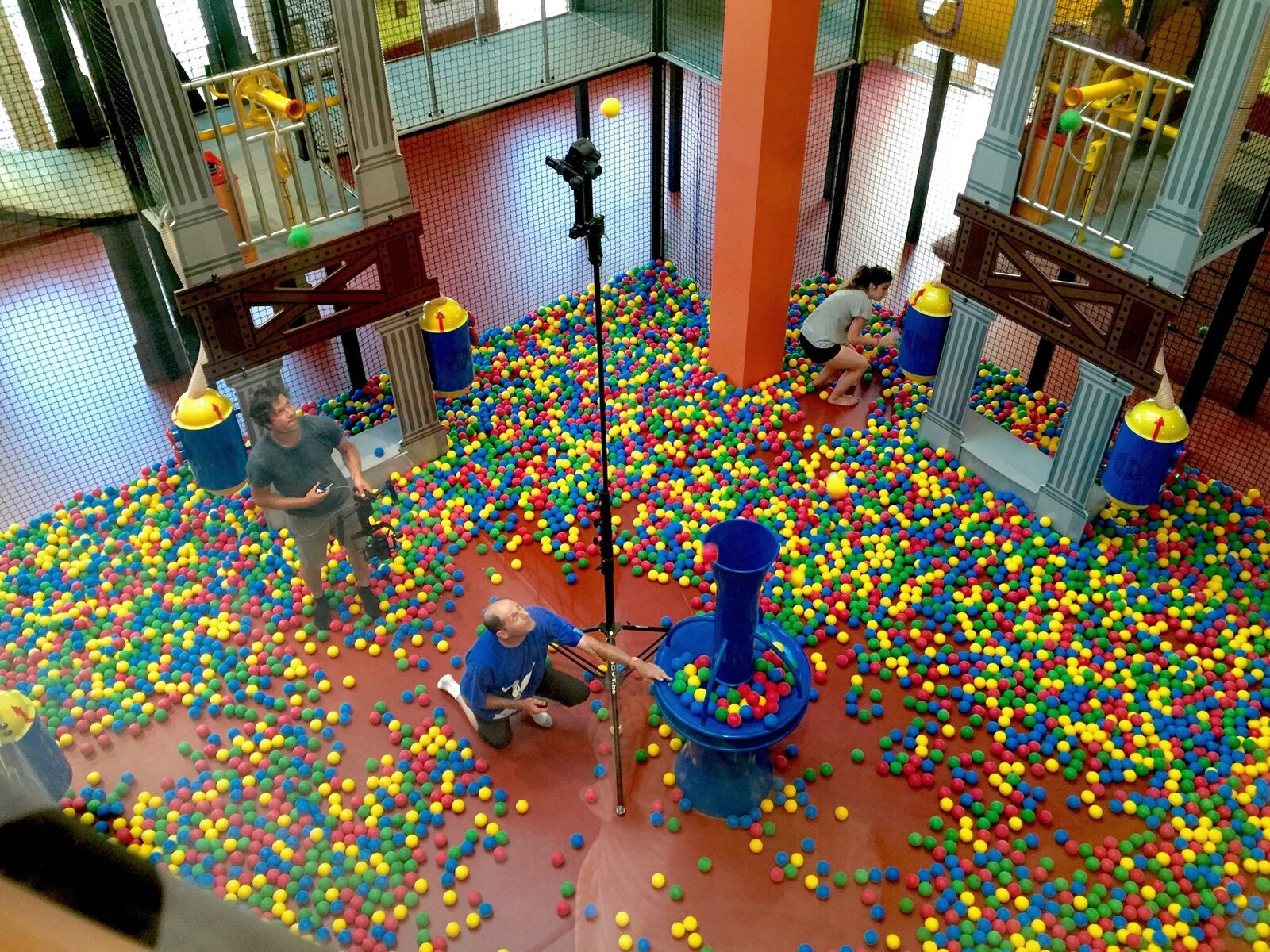
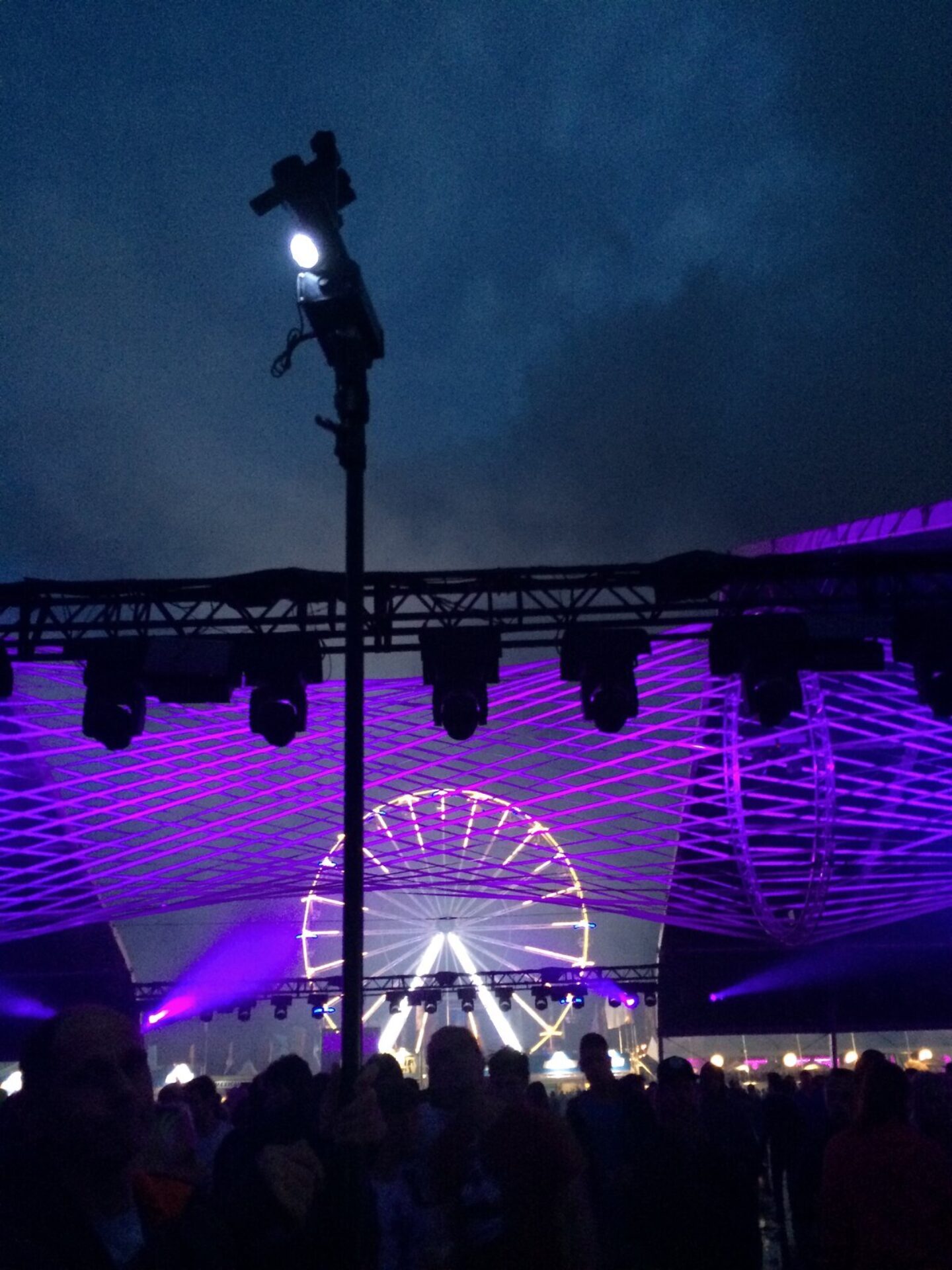
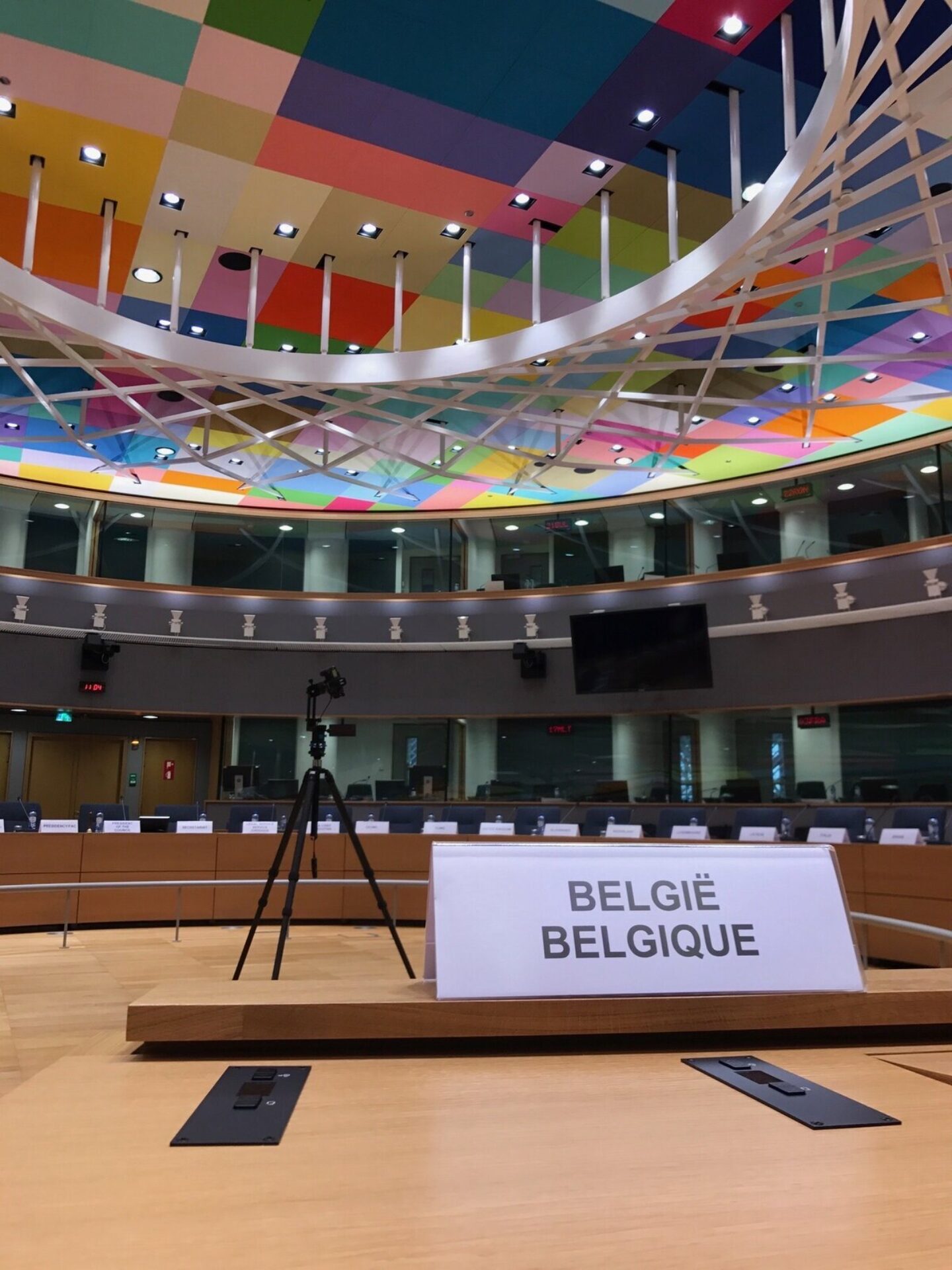
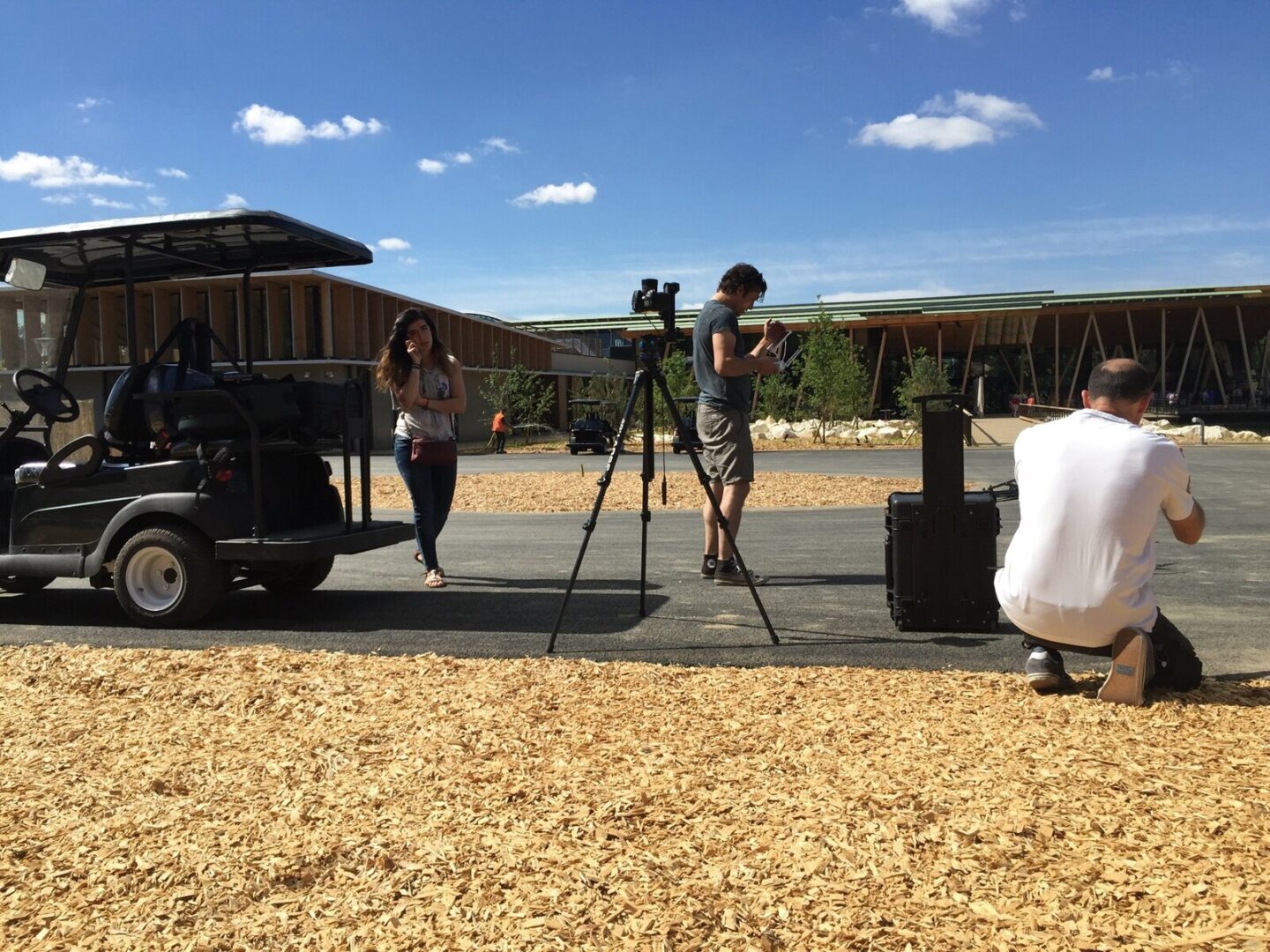
Behind the scenes, one frame at a time
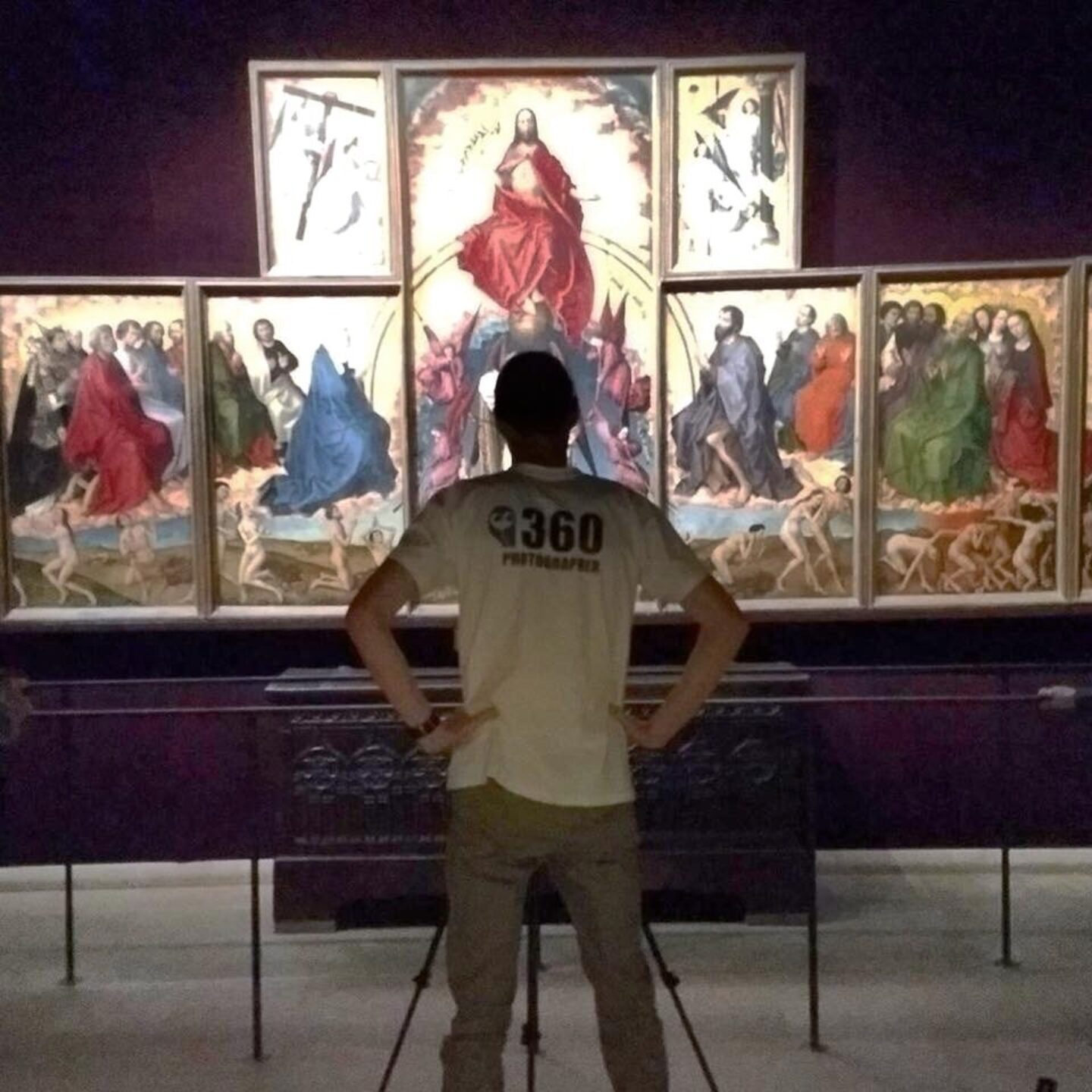
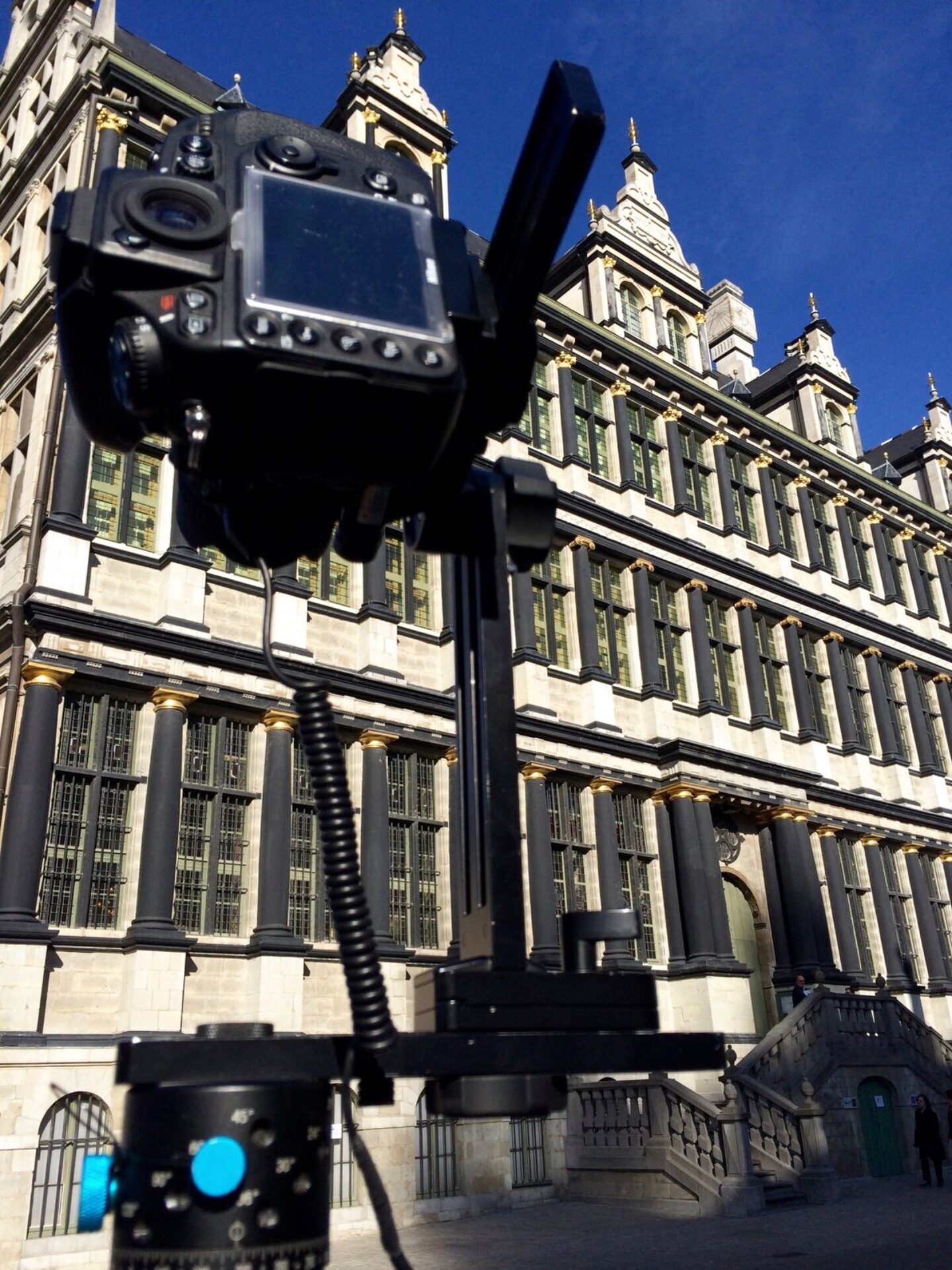
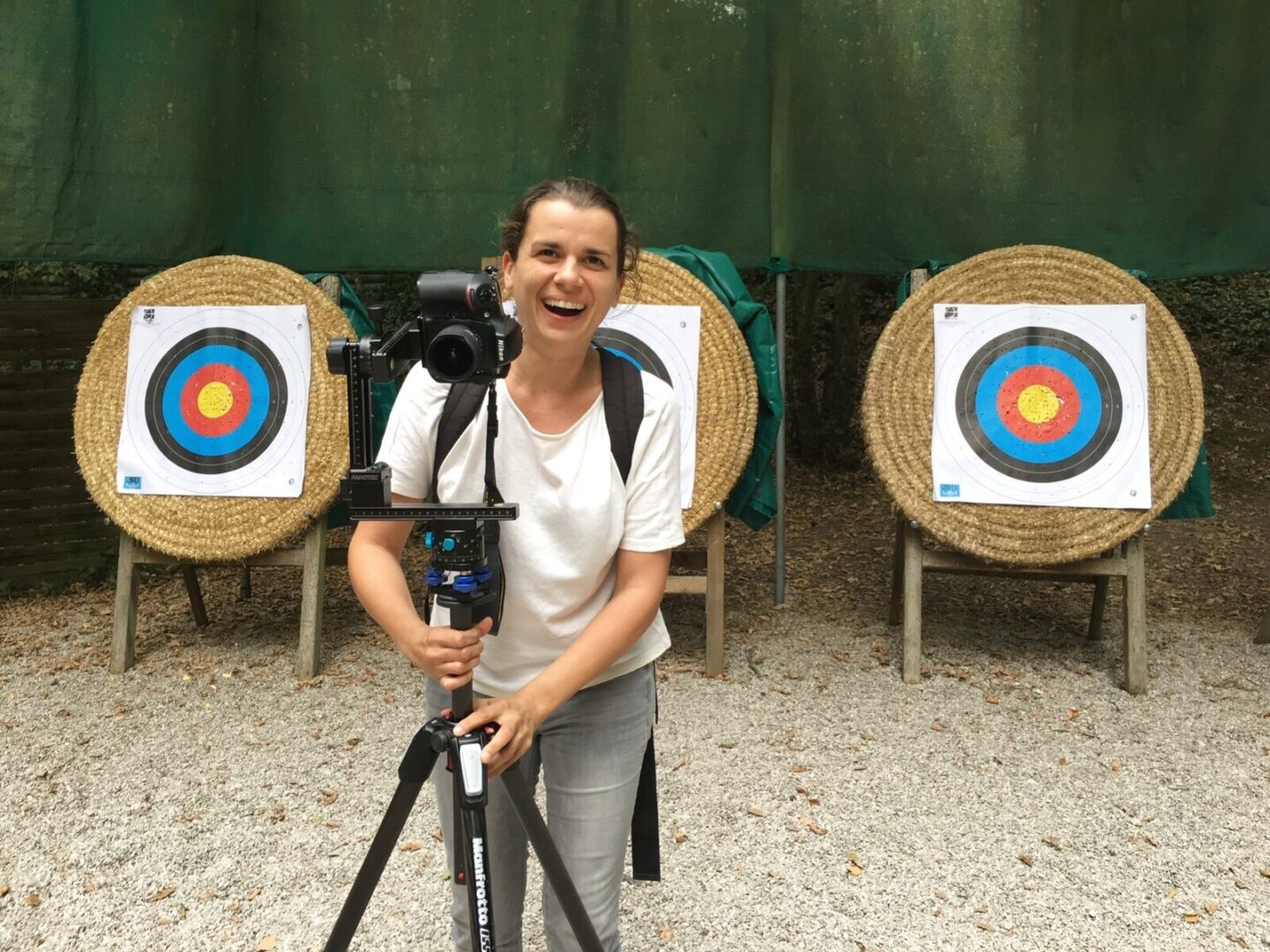
Different places require different viewpoints. This is a small selection from the rigs, locations and production days behind Poppr’s immersive work.
Let’s capture what others cannot
Whether the right camera belongs on a panoramic head, a 20-metre mast, a drone, a helicopter or below the waterline, Poppr brings capture, post-production and immersive delivery together in one production workflow.