
Virtual tour vs video: which delivers better ROI?
- Virtual reality
- 360° Photography
- 360° Video
Company videos tell your story. Virtual tours let people step inside it. This article breaks down what each format does well, where they differ, and why more organisations are choosing interactive experiences when the goal is engagement that actually converts.
What a company video does well
A well-produced company video has genuine value. It establishes atmosphere, communicates personality, and gives a company control over the first impression it makes. For brand launches, recruitment campaigns, or social media, the format works well precisely because it is contained: a fixed narrative, a deliberate pace, a clear beginning and end.
The limitation is also built into the format. A video shows what the director chose to show, in the order they chose to show it. The viewer watches. There is no second look, no lingering on a detail, no stepping back to take in the whole room. Once the clip ends, the experience ends with it.
What a virtual tour makes possible
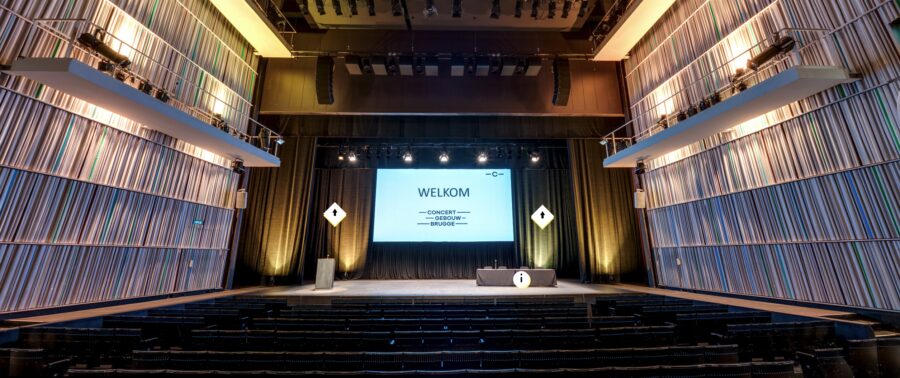
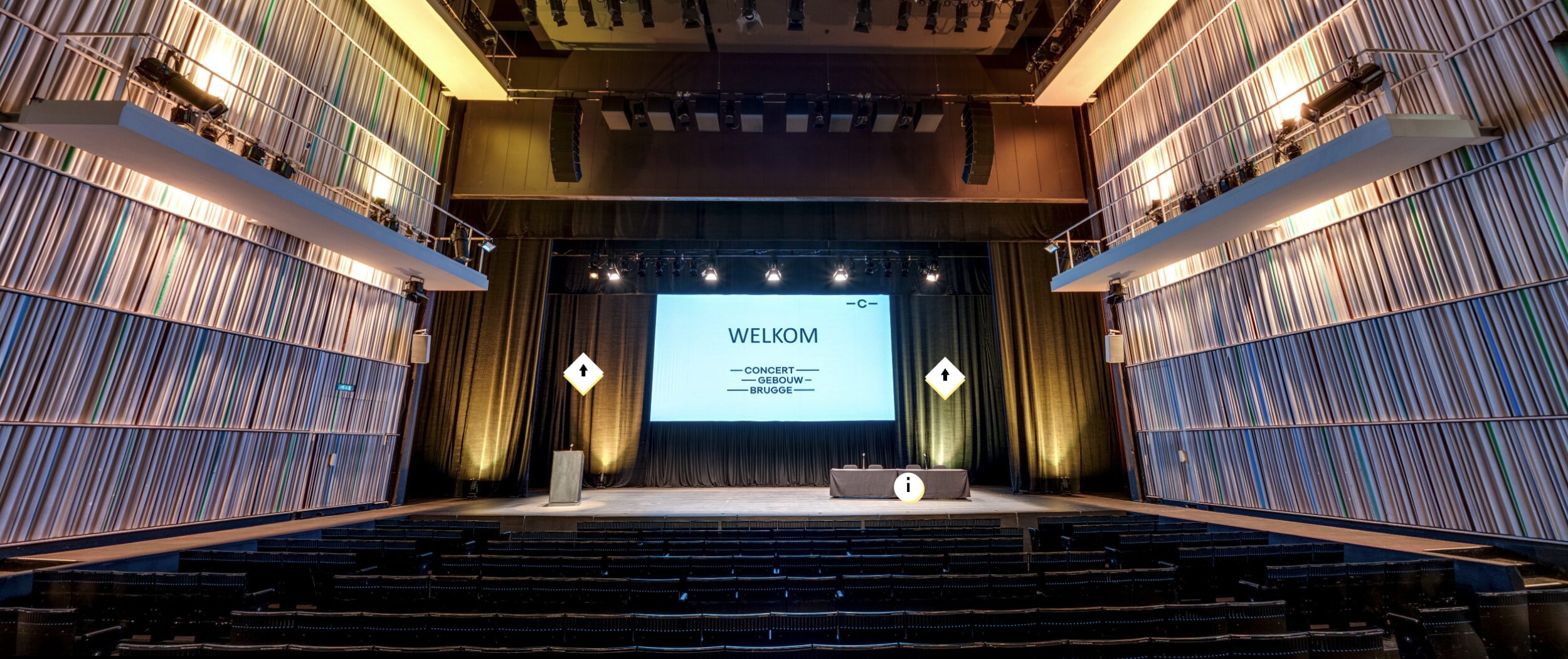
A virtual tour puts the viewer in control. They move through a space at their own pace, linger where they are curious, and return to areas they want to revisit. That shift from passive viewing to active exploration changes how people relate to a space and, ultimately, to the company behind it.
At Poppr, a virtual tour is not a filmed walkthrough. It is a high-resolution, navigable environment built from hundreds or thousands of individual captures, stitched and optimised for seamless delivery in any browser, on any device, with no download required. Hotspots, context layers, and embedded content can be added throughout, turning a spatial experience into a full communication tool.
The practical difference shows up in engagement metrics. Where a company video is watched once and forgotten, a virtual tour is explored repeatedly. People share specific moments, return to compare spaces, and use the experience as a reference when making decisions. That is the behaviour you want when your goal is not just visibility, but conversion.
Built to be updated, built to be measured
A company video is finished the moment it is exported. Updating it means reshooting, re-editing, and re-publishing. A virtual tour is modular by design. New spaces can be added, hotspots updated, and content swapped out without rebuilding from scratch. For companies that operate across multiple locations, launch new products, or need to reflect ongoing change, that flexibility is a significant operational advantage.
Virtual tours also generate more granular engagement data than video. Rather than tracking play-through rates, you can see exactly where visitors spend time, which areas they return to, and where they drop off. That level of insight feeds directly into how you refine both the experience and the wider communication strategy around it.
One experience, multiple audiences
A virtual tour can carry as much or as little information as the audience needs. Navigation menus, multilingual text layers, embedded photos, video clips, and web AR can all be integrated into a single environment. A prospective client exploring a facility sees the same space as an international partner reading it in their own language, or a customer using their phone to trigger an AR overlay on a product detail.
That range is difficult to achieve with a single company video without producing multiple versions. A well-structured virtual tour handles audience variation natively, without multiplying production costs or creating inconsistencies across markets.
Choosing the right format for the right goal
Company videos and virtual tours are not in direct competition. A video is the right choice when you need a polished, shareable brand moment: a launch film, a testimonial, a social campaign. A virtual tour is the right choice when the goal is to let someone experience a space, build confidence in a decision, or engage with detail at their own pace.
The organisations that use both formats well tend to think of video as the invitation and the virtual tour as the destination. If you are trying to decide which makes sense for your next project, we are happy to help you think it through.